
For the Love of Quilting!
Let’s Get Started!
Quilting has evolved over the years. What once served as an essential, utilitarian purpose is now a deeply cherished creative pastime. The joy of quilting comes from the hunt for beautiful fabric and transforming it into works of art using a variety of techniques.
What is a quilt?
Quilting is a method of stitching 3 essential layers together.
Top Layer- Fabric (Constructed into pieced blocks, appliqued blocks, or a whole cloth)
Middle Layer- Batting or Padding (insulating material)
Back Layer- Fabric
Stitching the layers together makes it a quilt sandwich. The stitching can be in straight lines or in a decorative pattern. Quilts can also be tacked together using yarn or a heavy thread. Tacking quilts together is called a comforter. To complete the quilt, binding is sewn on to finish the outer edges.


What is patchwork quilting?
Definition: needlework technique in which small pieces of cloth in different designs, colors, or textures are sewn together/ a thing composed of many different elements so as to appear variegated.
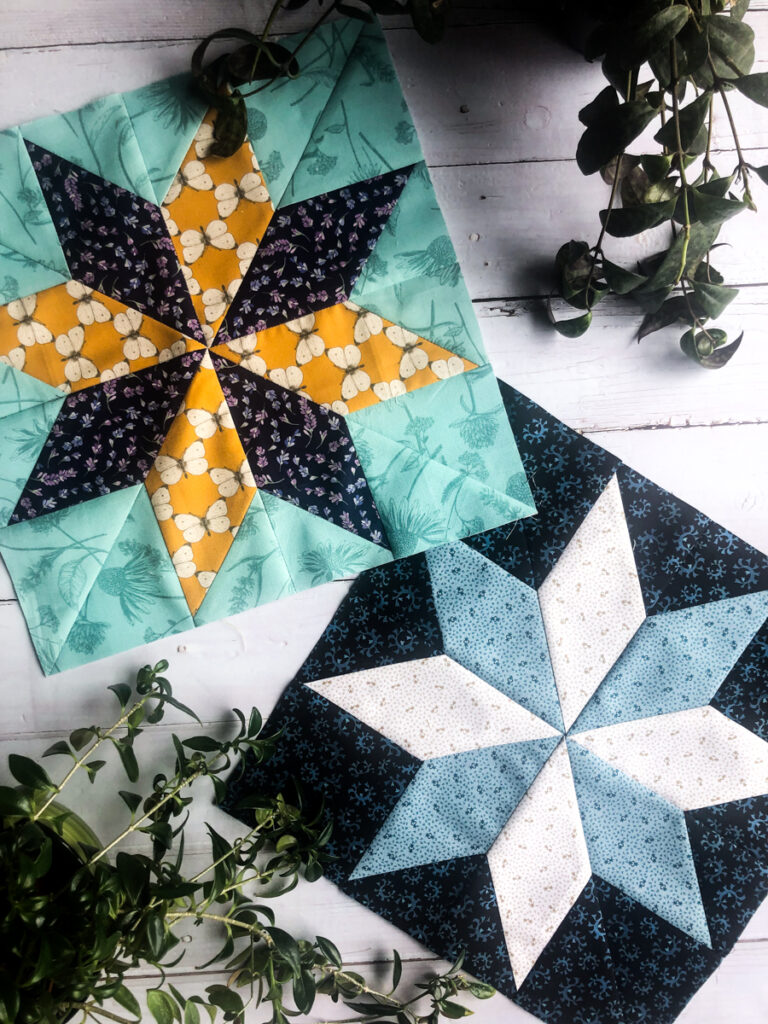
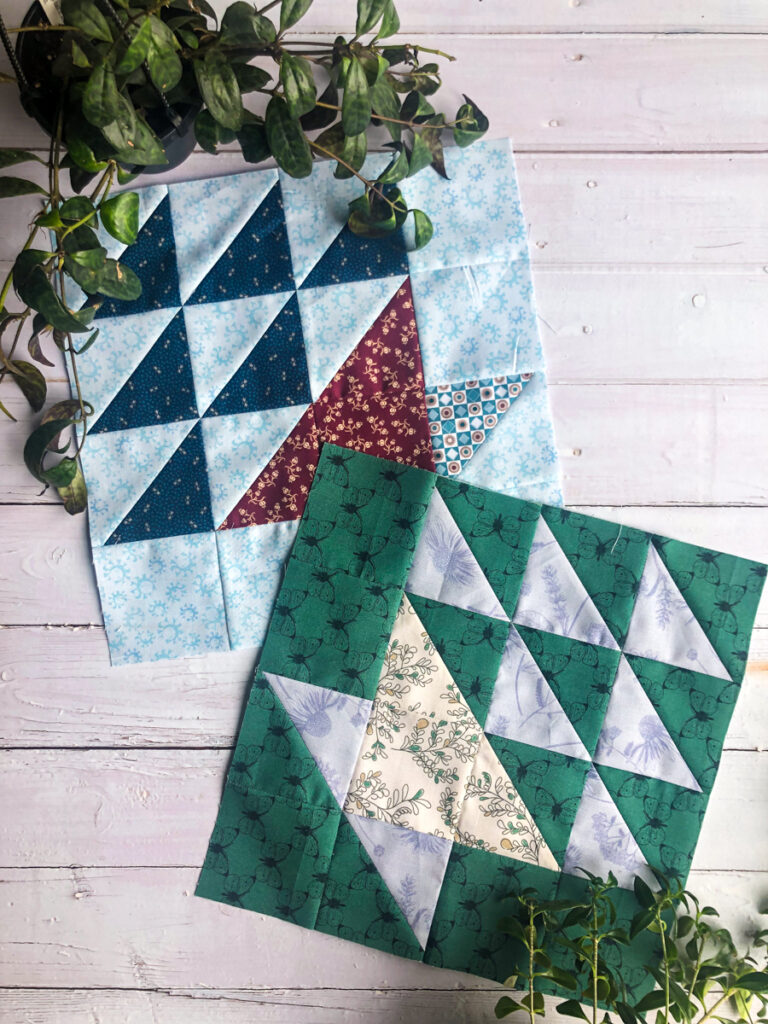
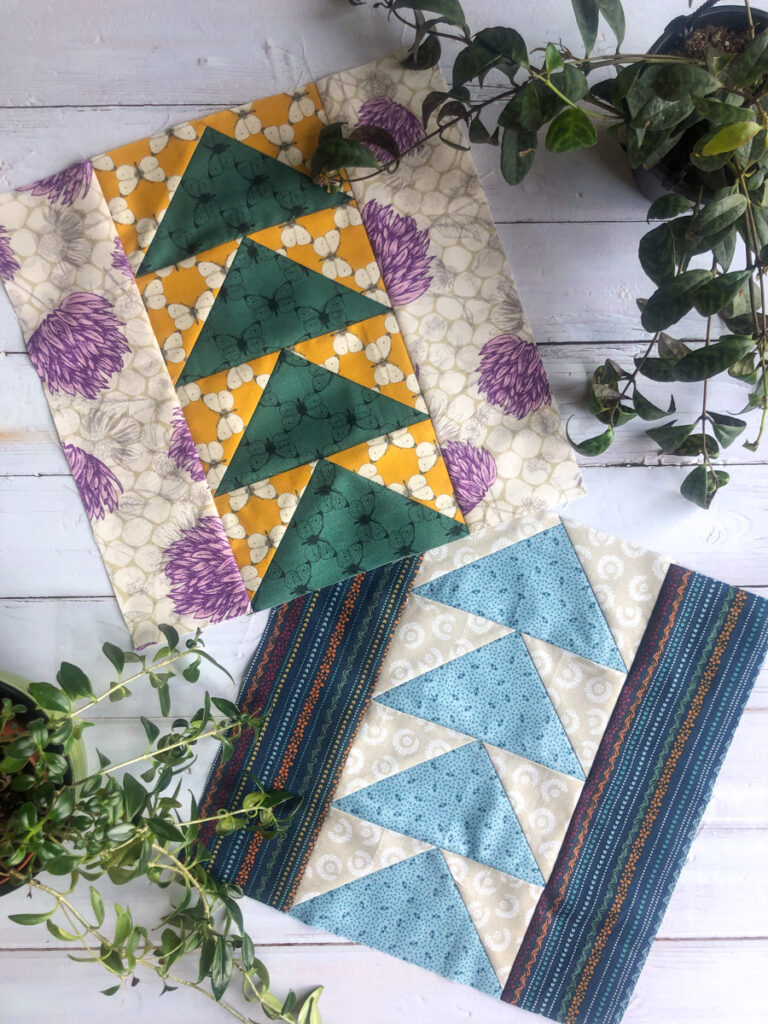
Examples: Nine Patch; Log Cabin; Flying Geese; Star: Pinwheel; Hexagon; and Churn Dash
A needlework technique used to piece different fabrics together. Predominantly, patchwork consisted of reusing scraps of fabric from previously worn clothing. Patchwork quilts have a history dating back to ancient times in Egypt and China. The goal was to create something functional for warmth. When the sewing machine was invented, patchwork quilting also became a social activity. It transitioned from a utilitarian purpose to a more artistic expression.
What is applique quilting?
Definition: ornamental needlework in which pieces of fabric are sewn or stuck onto a large piece of fabric to form pictures or patterns.
Types of Applique: Machine, Raw Edge, Needle Turn, Fusible Web, Reverse, Broderie Perse, Cinch, and Dresden Plate
Examples: Hawaiian, Sunbonnet Sue, Flower Basket, Tulip, Baltimore Album Quilt, Wagon Wheel, Heart, Birds in the Air, Apple Core, Pumpkin Patch, and Birdhouse

Hand quilting vs. machine quilting?
When it comes to making a quilt sandwich, there are a variety of ways to do it. Two of the most popular methods include hand quilting and machine quilting. Both produce beautiful results, but there are pros and cons to each method.
Hand Quilting takes time, as it’s a laborious act of love. It involves stitching every stitch by hand. However, many people find the slower pace relaxing. Hand quilting stitches tend to show up more on a quilt. They are more visible to the eye. Quilting by hand, will produce stitches that are not uniform in size. I personally have not invested the time to quilt an entire quilt by hand, but it’s on my bucket list. However, I do handstitch my binding every time.
Machine Quilting is faster and produces a quilt with uniform stitches. There are more intricate design options available. Quilting by machine is done with a home sewing machine or a long-arm.
Both methods are durable and result in beautiful quilts. It’s up to the quilter to decide what looks best. I personally like the look of quilting done on a long-arm, but that can be expensive if you have to hire someone to do it. Don’t let finances get in the way of you starting to quilt. It can be very affordable, but let me warn you, fabric buying can be addictive. Beware!
Are you ready to join in on the fun?
Quilting is still popular today. According to the International Quilt Association (IQA), there are at least 30-40 million quilters globally. Quilting is for everyone!
Check out our latest patterns Fields of Blooms and Petals Afield for a fun quilt project!
To stay up to date on what’s happening. Make sure to subscribe to my newsletter.