History of the Log Cabin Quilt Block: Origins, Symbolism and Popular Variations
A Classic American Quilt Pattern
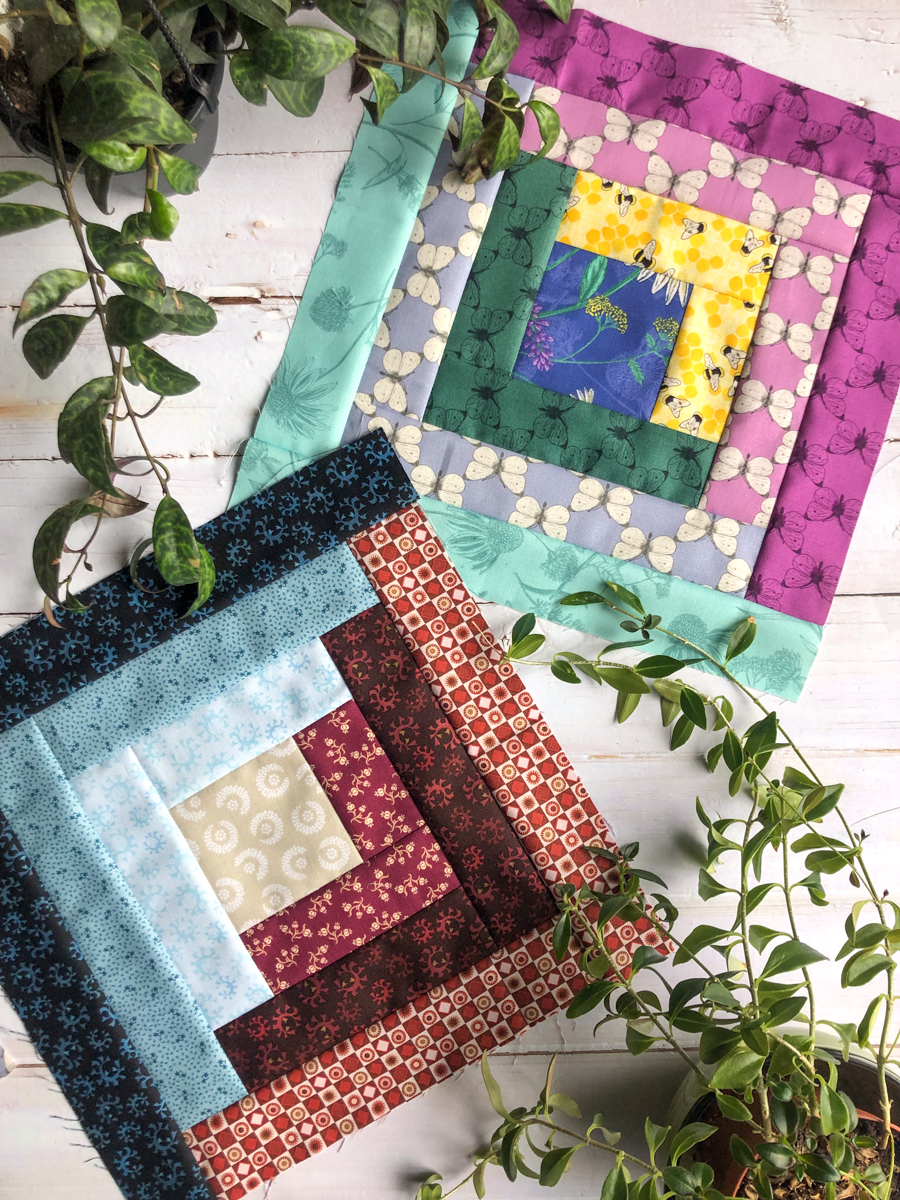
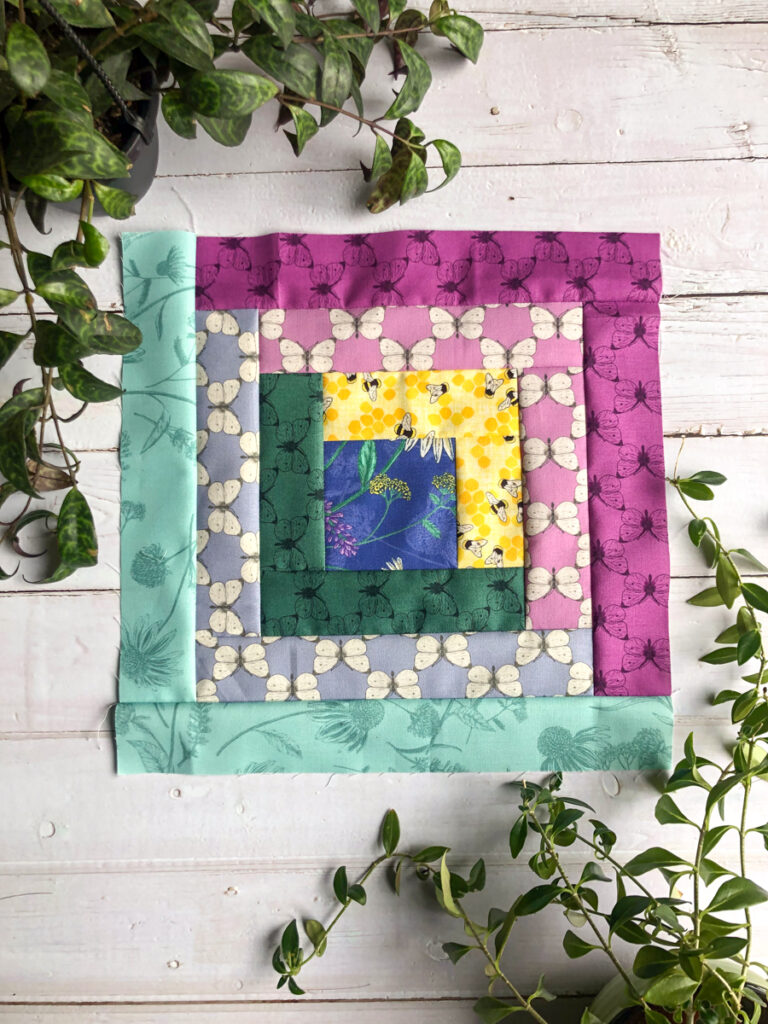
Among the many traditional American quilt patterns, few are as recognizable or enduring as the Log Cabin quilt block. With its simple construction of fabric strips surrounding a central square, the design has become a symbol of home, warmth, resilience, and American heritage. Though beloved today for its versatility and visual impact, the Log Cabin block also carries a rich history rooted in frontier life, politics, and nineteenth-century quilting traditions.
Origins of the Log Cabin Quilt Block
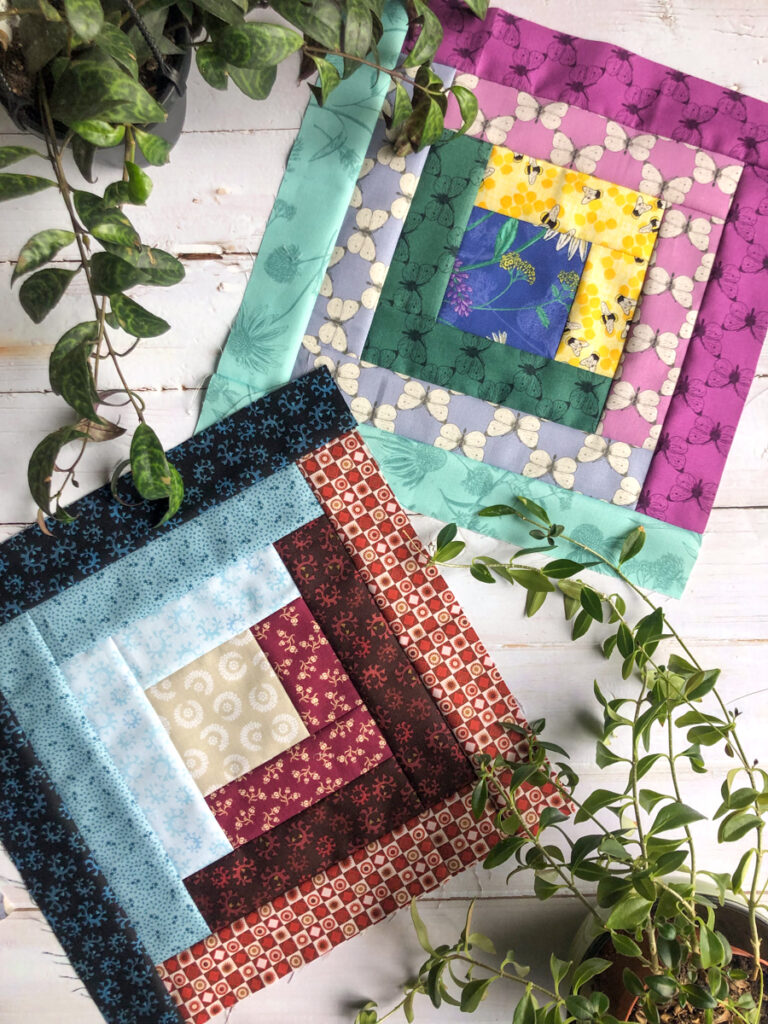
The Log Cabin quilt block rose to popularity during the mid-1800s, particularly during and after the American Civil War. The design was inspired by the log homes built by settlers and pioneers across the American frontier. Just as real cabins were constructed by stacking logs around a central hearth, the quilt block is assembled by sewing strips of fabric around a center square.
Symbolism and Meaning
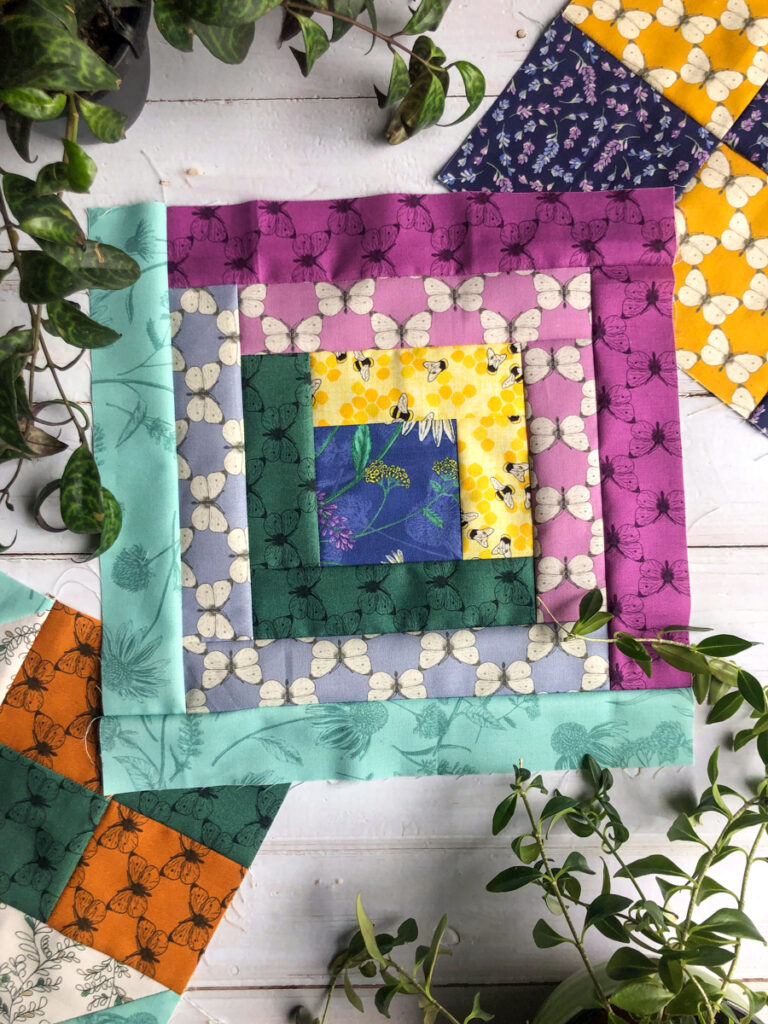
Traditionally, that center square carried symbolic meaning. A red square often represented the hearth or fireplace—the emotional and physical center of the home—while yellow centers symbolized a welcoming light glowing from a cabin window. In many antique examples, quilters arranged light and dark fabrics on opposite sides of the block to represent sunlight and shadow, creating dramatic geometric effects across the finished quilt.
The Civil War Era and Abraham Lincoln
The Log Cabin block became especially tied to American identity during the presidential campaign of Abraham Lincoln in 1860. Lincoln’s humble beginnings in a frontier log cabin became a powerful political symbol, and supporters embraced “log cabin” imagery to represent honesty, hard work, and self-reliance. Historians note that quilts featuring the Log Cabin pattern were displayed and sold at fairs and fundraising events during the Civil War era, helping cement the pattern’s patriotic associations.
Practicality and Scrap Quilting
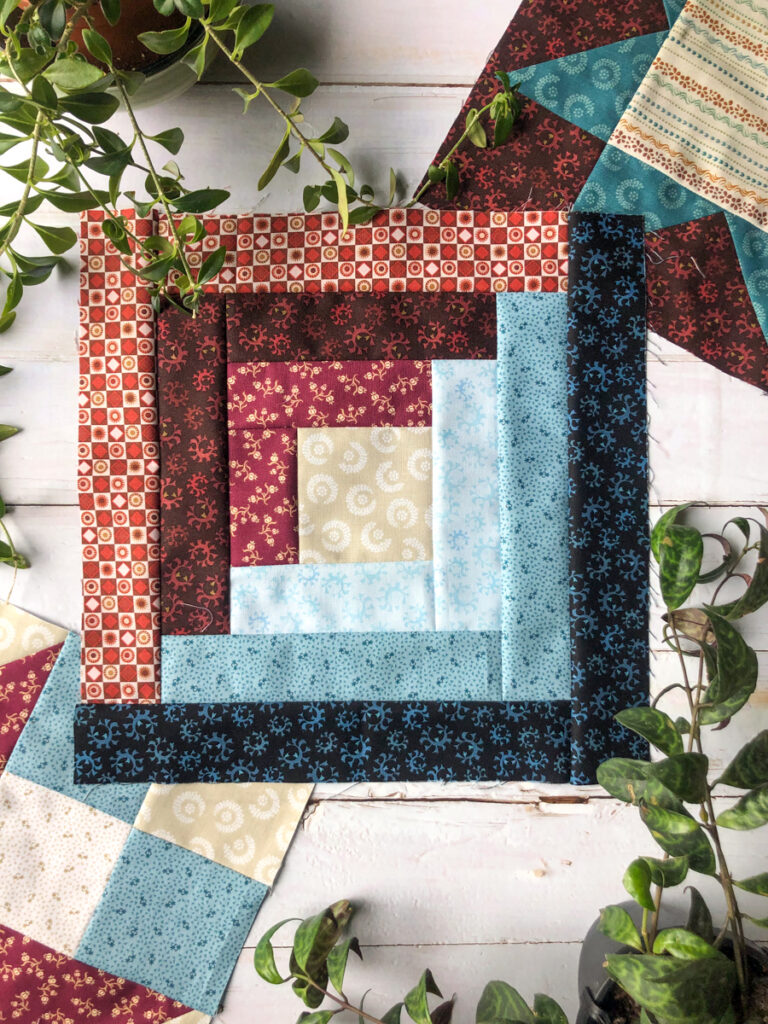
Another reason for the block’s popularity was practicality. The narrow strips allowed quilters to use even the smallest scraps of fabric, making the pattern economical during a time when textiles were valuable and rarely wasted. Many nineteenth-century Log Cabin quilts were made from silk, wool, velvet, and cotton scraps stitched onto a muslin foundation for stability. This method, now called foundation piecing, helped quilters work with delicate or uneven fabrics while creating highly intricate designs.
Popular Log Cabin Quilt Layouts
The pattern also became known for its incredible versatility. By rotating blocks in different directions, quilters could create entirely different overall designs. Popular layout styles included:
- Barn Raising — blocks arranged to form radiating diamonds
- Straight Furrows — orderly rows of light and dark
- Sunshine and Shadow — diagonal contrasts suggesting changing light
- Streak of Lightning — zigzagging movement across the quilt top
Variations of the Log Cabin Quilt Block
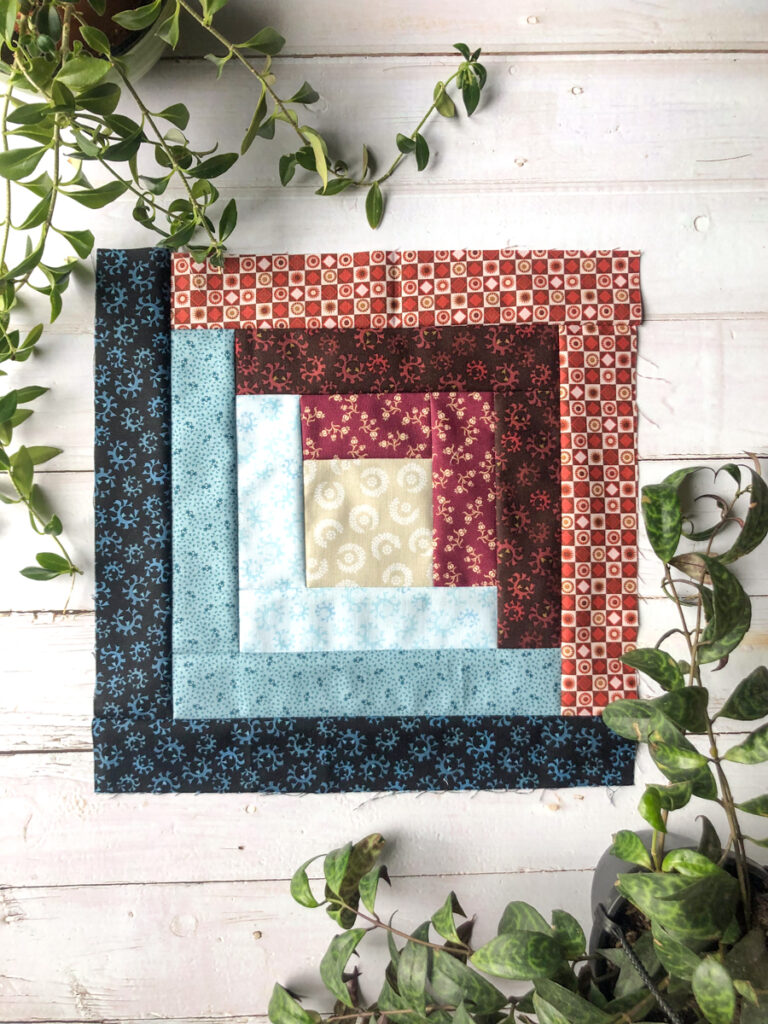
Over time, quilters developed many creative variations of the original block. The Courthouse Steps variation arranges strips symmetrically on opposite sides rather than spiraling around the center square. The Pineapple variation uses narrower strips and angular placement to create a more intricate, starburst-like appearance. These adaptations demonstrate how the Log Cabin pattern continually evolved while maintaining its recognizable structure.
The Log Cabin Quilt Block Today
Although quilting trends changed during the twentieth century, the Log Cabin block never disappeared. By the 1970s quilting revival, interest in historic American quilt patterns brought the design back into widespread popularity. Today, modern quilters continue to reinterpret the Log Cabin using contemporary fabrics, asymmetrical layouts, improvisational piecing, and bold color palettes, proving the enduring appeal of this classic design.
Why the Log Cabin Quilt Block Endures
More than just a quilt pattern, the Log Cabin block tells a story about American domestic life, resourcefulness, and creativity. Its enduring symbolism of shelter, warmth, and perseverance continues to resonate with quilters more than 150 years after it first became popular.