Wedding Ring Quilt Block: Discover Its History and Meaning
The History of the Wedding Ring Quilt Block
Few quilt patterns are as instantly recognizable as the Wedding Ring quilt block. With its graceful curves and interlocking rings, this traditional design has become a beloved part of quilting history—and for good reason. It is beautiful, meaningful, and just challenging enough to make completing one feel like an accomplishment.
Today, the Wedding Ring is often associated with marriage, love, and lasting connection. But the history of this quilt design is a little more complicated—and much more interesting—than its romantic name might suggest.
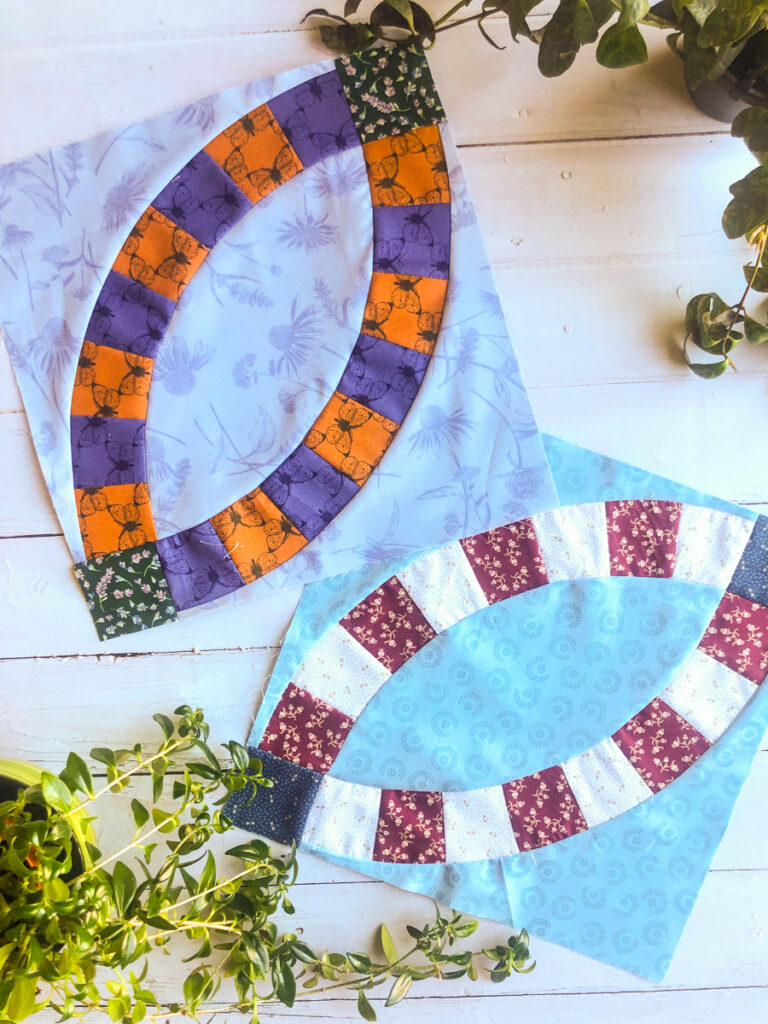
Where Did the Wedding Ring Quilt Come From?
The design we know today as the Double Wedding Ring quilt became particularly popular in the United States during the late 1920s and 1930s. The Smithsonian’s National Museum of American History notes that the pattern became popular in the late 1920s, and its collection includes a Double Wedding Ring quilt made in North Carolina in 1930.
However, the idea of interlocking rings did not suddenly appear in the 1920s. Related circular and ring motifs had been used in decorative arts for centuries, and quilt designs resembling the Double Wedding Ring appeared under a variety of names before the pattern became widely known by its familiar name.
Some earlier names associated with related designs include Rainbow Around the World, Endless Chain, King Tut, and Friendship Knot. This is one reason quilt history can be difficult to trace—the same basic design could be given different names depending on the region, pattern company, or period.
The Wedding Ring Becomes Popular
The Double Wedding Ring became especially popular during the Great Depression. At a time when fabric was precious, the design provided a wonderful opportunity to use small pieces of leftover fabric. The colorful arcs could be pieced from scraps, creating a quilt that was both beautiful and practical.
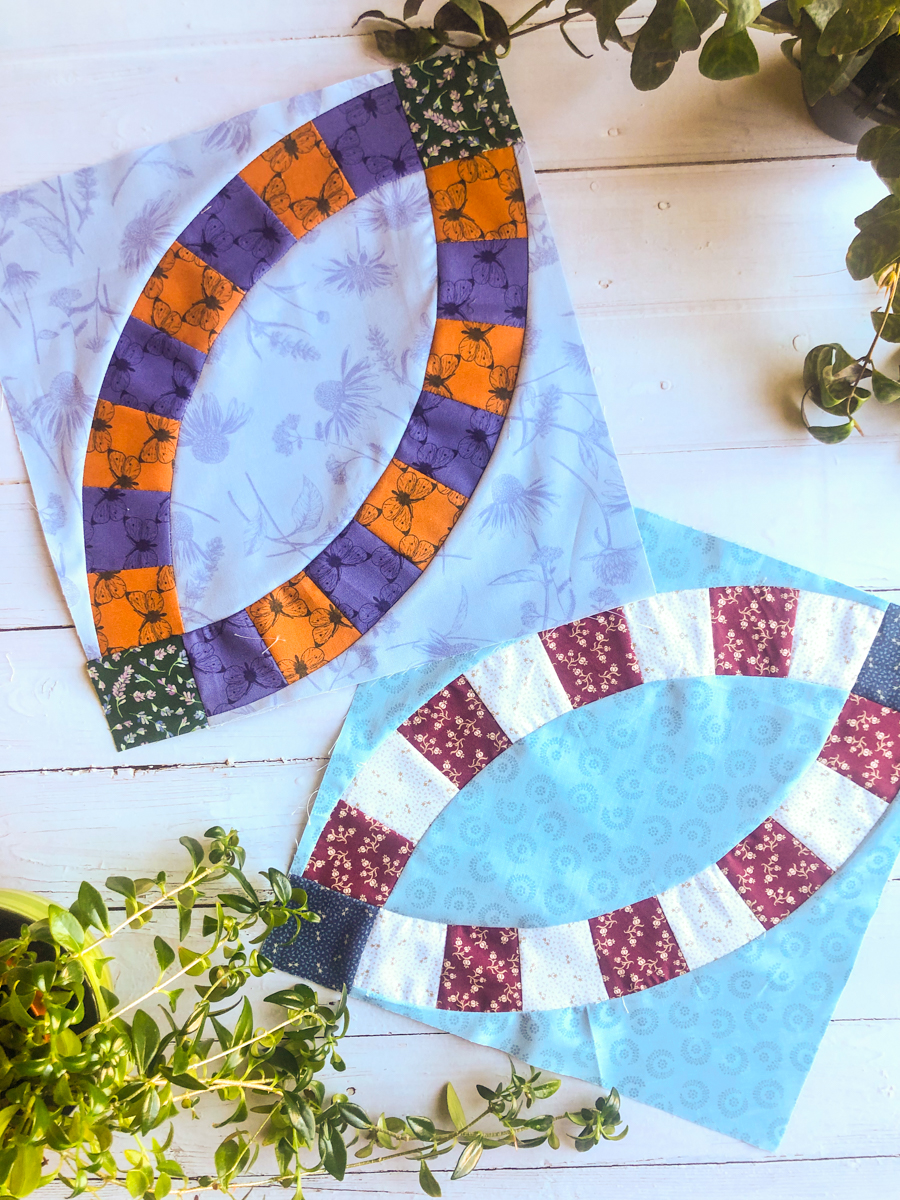
Vintage examples often feature small floral prints, bright colors, and a light background that allows the interlocking rings to stand out. A 1930 Double Wedding Ring quilt in the Smithsonian collection, for example, was made using pieces cut from yard goods sold at a rural store in North Carolina.
The pattern was also challenging to make. The curved pieces require careful cutting, piecing, and alignment, making the finished quilt a true labor of love.
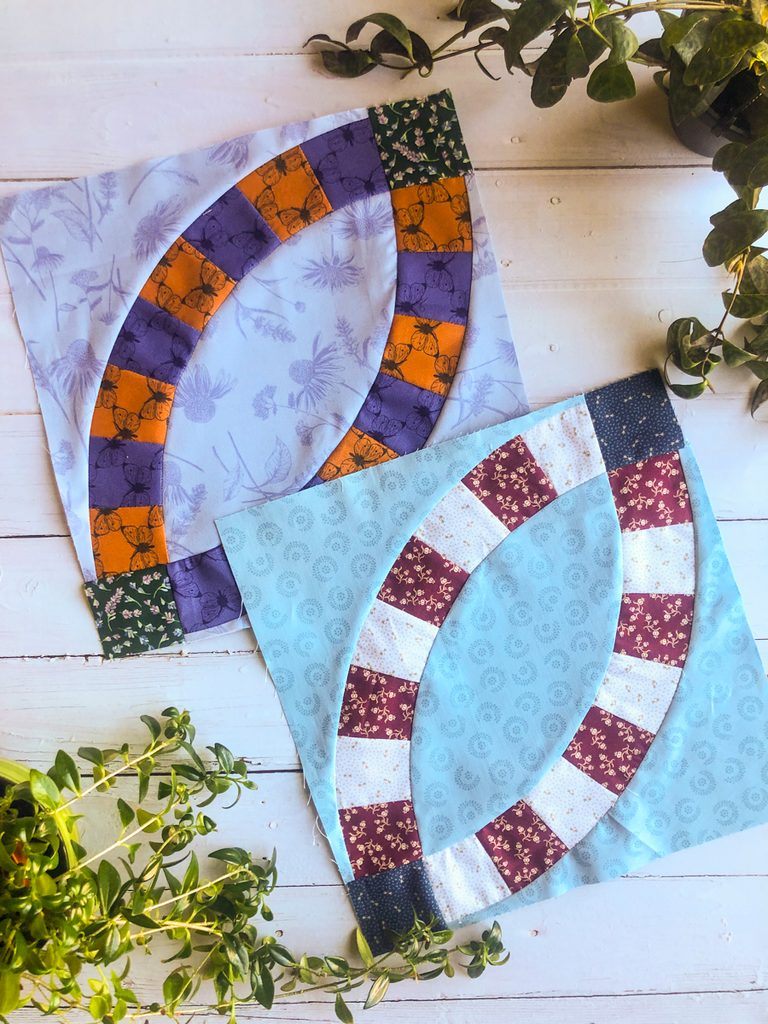
Why Is It Called the Wedding Ring?
The interlocking rings naturally lend themselves to the symbolism of marriage—the idea of two people joining together and creating something lasting.
Because of this association, Wedding Ring quilts became meaningful gifts for weddings, anniversaries, and other important occasions. The Quilt Alliance describes the interconnected rings as a symbol of love and something steadfast and unbreakable.
But it is worth remembering that not every Double Wedding Ring quilt was made specifically for a wedding. These quilts were also made as commemorative and family quilts, and the design has continued to evolve as quilters have found new ways to interpret it.
A Traditional Block With a Modern Following
One of the things I love most about the Wedding Ring design is how recognizable it is while still leaving so much room for creativity.
Change the fabric and the entire personality of the block changes. Soft florals can make it feel vintage and romantic, while bold solids can give it a completely modern look. Scraps can create a wonderfully nostalgic feel, while carefully chosen fabrics can make the rings almost glow.
And while traditional versions can be quite intricate, modern tools—including acrylic templates and specialty cutting tools—have made curved piecing much more approachable for today’s quilters.
Why the Wedding Ring Still Matters
Quilt patterns have a wonderful way of carrying pieces of history forward. The Wedding Ring is a perfect example.
What began as a challenging traditional design became popular with generations of quilters, particularly during a time when making do with what you had was a necessity. Today, we can approach the same design with modern tools and techniques while still enjoying the beauty of those interlocking rings.
That combination of history, symbolism, and beautiful craftsmanship is what makes the Wedding Ring such a timeless quilt block.
And perhaps that is the best part of traditional quilting: we aren’t simply repeating what quilters made before us. We get to take those designs, add our own fabrics and creativity, and make them part of our own stories.
The Wedding Ring may have a long history, but there are still countless new versions waiting to be stitched.
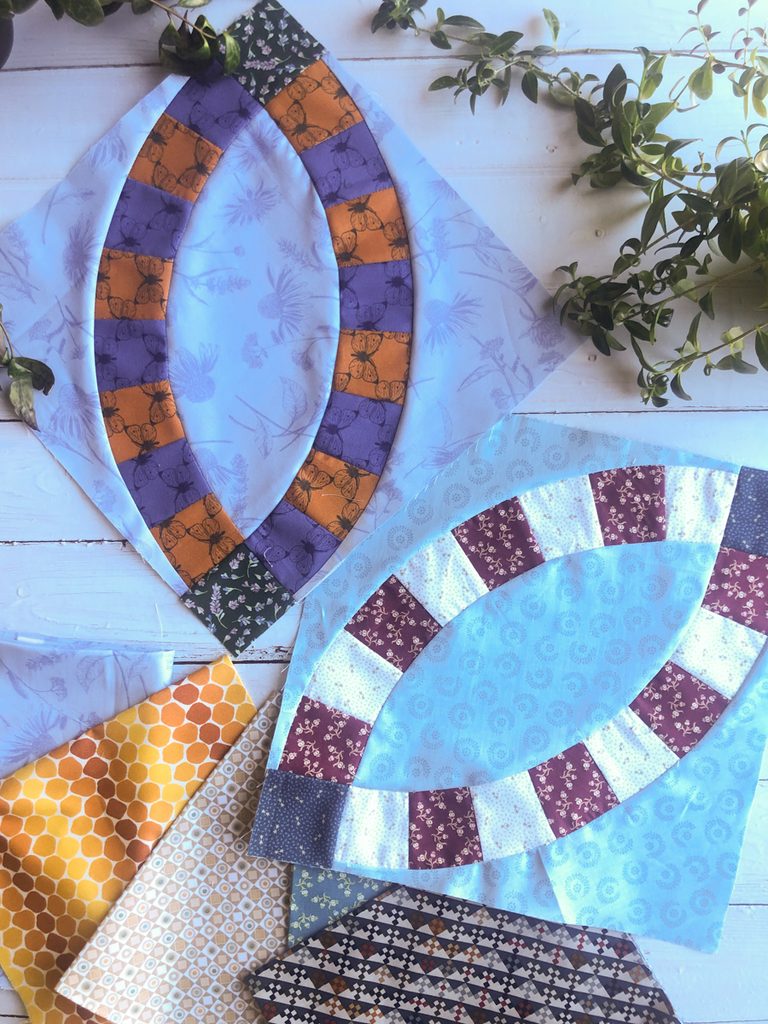
History Repeats Itself Quilt-Along
The Wedding Ring is Block #10 in my History Repeats Itself Quilt-Along.
History Repeats Itself is a free quilt-along featuring traditional quilt blocks, with a new block released each month through the end of 2026.
If you’ve been following along, this is another opportunity to add a classic quilt design to your collection. And if you’re just discovering the quilt-along, you can still join in!
You don’t have to make every block in order, and you don’t have to know exactly what you’re going to do with your blocks yet. Think of it as building a collection of traditional quilt blocks while learning a little bit about the history behind them along the way.
Get the Free Wedding Ring Quilt Block
Ready to make your own Wedding Ring Block?
GET THE FREE WEDDING RING PATTERN
And remember— This may look complicated, but the curves are gentle, so take it slow—you’ve got this!
More History Repeats Itself Quilt-Along Blocks
If you’re enjoying the History Repeats Itself Quilt-Along, be sure to check out the other traditional quilt blocks in the series.