New the History of the Basket Quilt Block + Block #8
History Repeats Itself: Block #8- Basket Full of Triangles
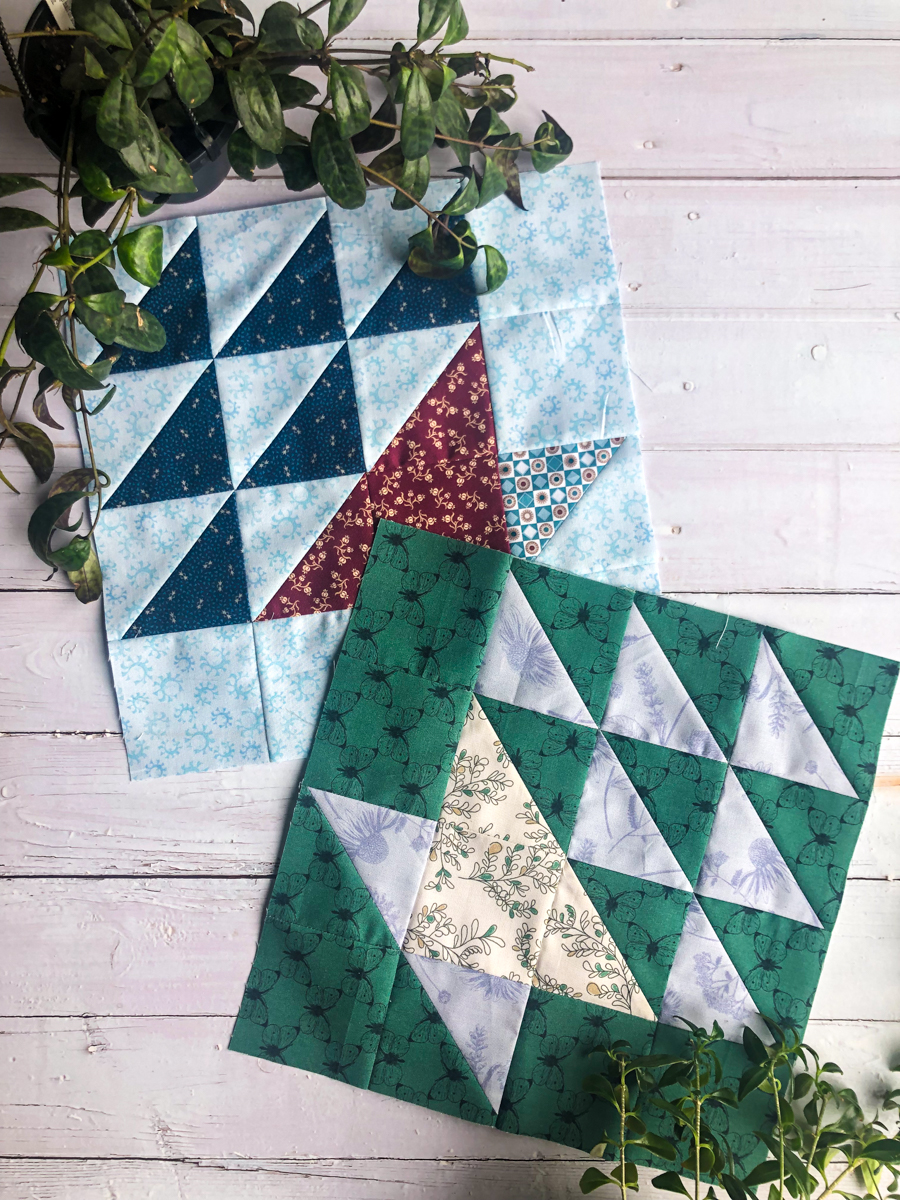
There is something timeless about the Basket quilt block. Basket designs have been part of American quilting history for generations, appearing in many different forms and under several different names. For Block #8 of the History Repeats Itself Quilt Along, I’ve taken this familiar traditional motif and recreated Basket Full of Triangles, a traditionally pieced block made with lots of half-square triangles.
If you’re new to the quilt along, don’t worry—you aren’t behind! New blocks are released during the second week of every month, and Blocks 1–7 are already included when you subscribe to Fields of Patchwork Newsletter. Each month, I simply add the newest block to the pattern, so you’ll always have the entire quilt along in one growing download.
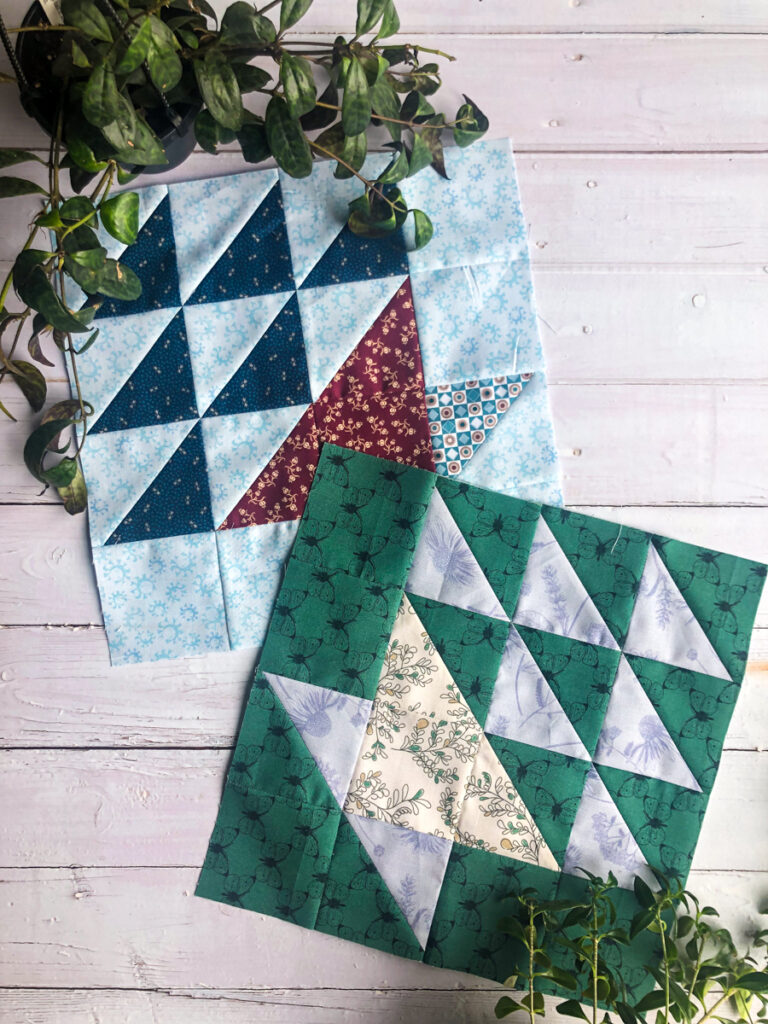
A Traditional Basket Quilt Block
Basket quilt blocks have been a beloved part of American quilting history for well over a century. Like many traditional quilt designs, the basket motif appeared in a variety of forms as quilters and pattern publishers adapted the design over time.
One early published reference appeared in the **April 1, 1895 issue of **American Farmer under the name Basket Quilt. The design was also published as Flower Basket, as Block #57 by the Ladies’ Art Company.
This variety of names is common when researching traditional quilt blocks. A design might be published in one newspaper or pattern catalog under one name and later appear somewhere else with a different name or slightly different arrangement. Patterns were shared, republished, adapted, and passed from one quilter to another.
So when we see several historical basket blocks that look similar but have different names, it doesn’t necessarily mean they were completely unrelated designs. Instead, it gives us a glimpse into how quilt patterns traveled and evolved.
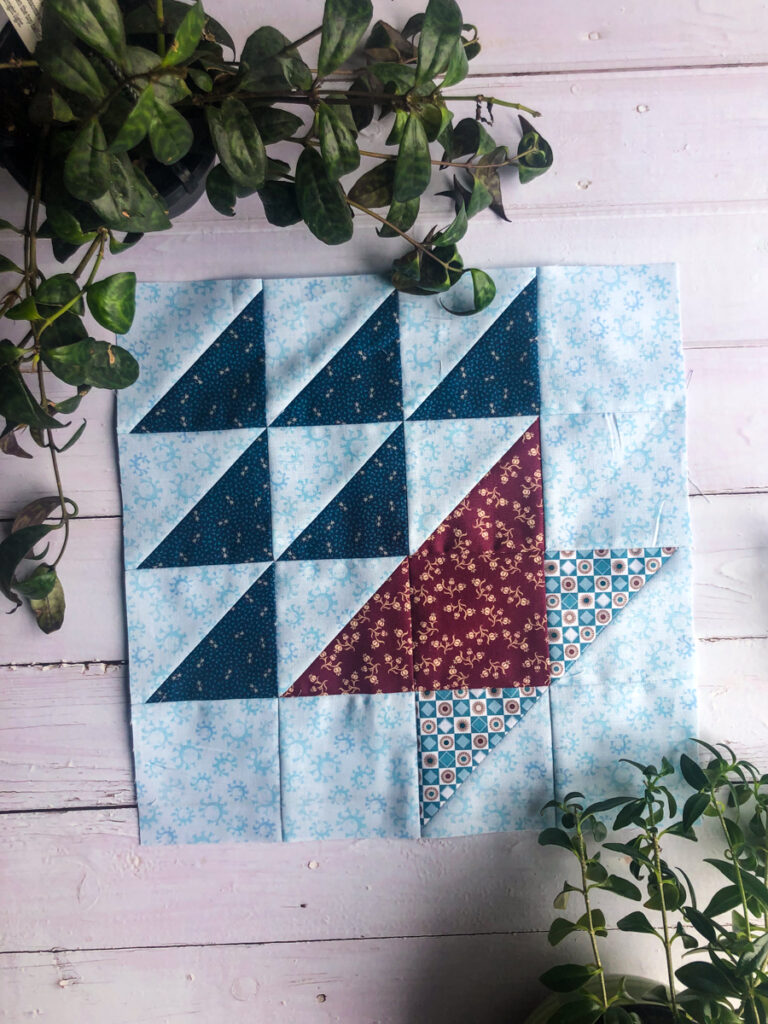
Basket Quilts in the 19th Century
Surviving antique quilts give us an even better look at how popular the basket motif became during the 19th century.
The Smithsonian National Museum of American History has several historic quilts featuring basket designs. One quilt, dated approximately 1840–1860, is known as a Lattice-work Basket quilt. Another Basket quilt, dating to approximately 1875–1885, combines pieced and appliquéd basket designs.
The Smithsonian also holds the Kaziah Bathurst Basket Quilt, made around 1880–1890. This quilt contains thirty basket blocks made with both piecing and appliqué. Many of the fabrics were scraps from clothing belonging to members of the Bathurst family, giving the quilt a connection to the people who made and used it.
The Metropolitan Museum of Art also has a Basket quilt in its collection, dated approximately 1880–1900. Its basket blocks are made from cotton calico fabrics and are arranged on a diagonal grid with sashing.
These examples show just how much variety existed within the basket motif. Some baskets were pieced, some were appliquéd, some incorporated flowers, and others focused primarily on geometric shapes.
One Motif, Many Interpretations
This is one of my favorite things about studying traditional quilt blocks.
There isn’t always one definitive version of a traditional design. Instead, there are generations of interpretations.
Quilters changed the fabrics, colors, construction, and they combined the blocks with other designs and found new ways to arrange them within a quilt.
The basket motif was especially adaptable because it could be used as a simple geometric block or embellished with flowers, vines, and other decorative elements. It could be made from carefully coordinated fabrics or from scraps gathered from other sewing projects.
The basic idea remained recognizable even as the details changed.
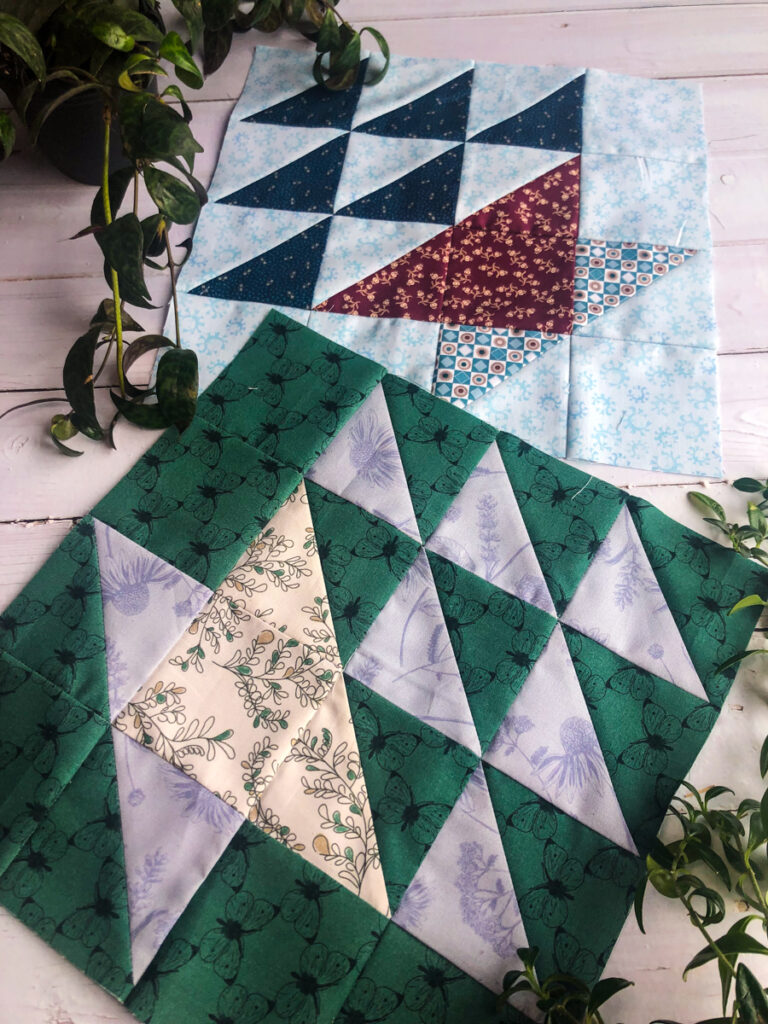
Tips for Sewing Block #8: Basket Full of Triangles
Because this block contains quite a few half-square triangles, a little extra attention to accuracy will go a long way.
Pay Attention to Your HST Orientation
There are several triangle units in this block, so I recommend laying everything out before you begin sewing your sections together. It’s much easier to catch a rotated HST before it is sewn into the block!
Press Your Seams Carefully
Consistent pressing will help your units fit together accurately and keep the finished block nice and flat. Take your time as you work through each section.
Look for Fabric Contrast
The basket design relies on the triangle shapes being easy to see. Choosing fabrics with enough contrast will help the basket shape stand out.
Have Fun with Your Fabric Choices
Traditional basket quilts were often made with scraps, and I think that makes this block especially fun to experiment with. Try a controlled color palette, mix several prints together, or pull from your scrap bin for a more traditional scrappy look.
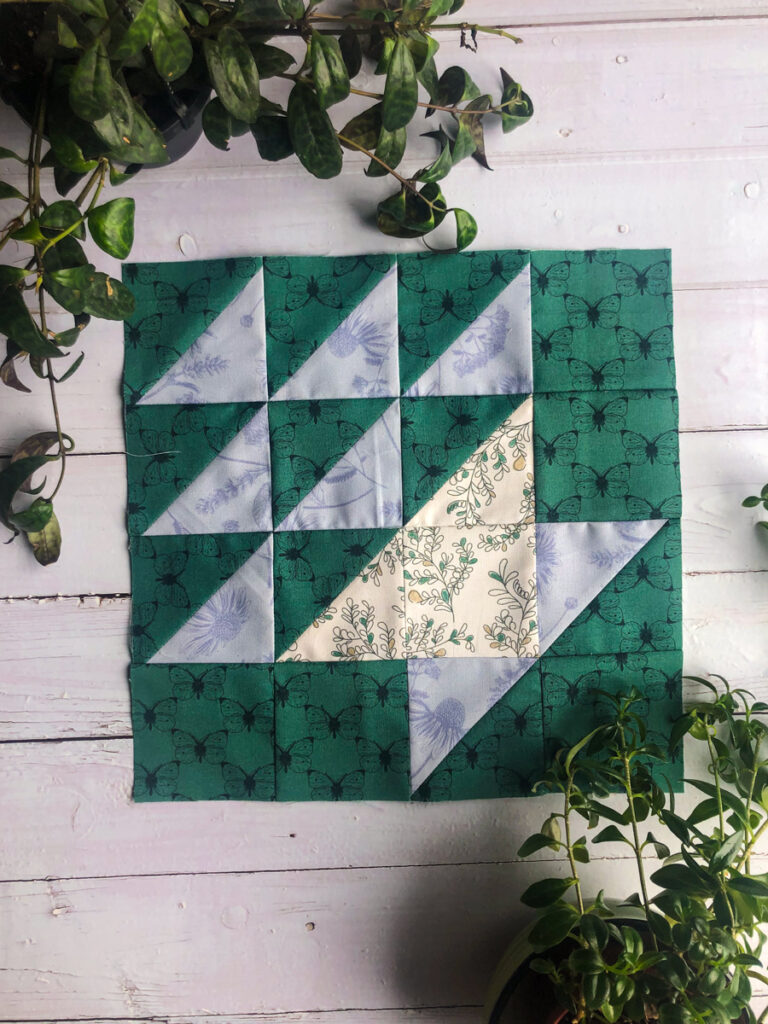
History Repeats Itself, One Block at a Time
One of the things I love most about traditional quilting is seeing how familiar designs continue to evolve.
The Basket quilt block has been stitched, published, renamed, adapted, and reimagined by generations of quilters. More than a century later, we’re still finding new ways to use the same basic ideas.
That’s what makes this quilt along so meaningful to me. We’re learning from the quilters who came before us while adding our own fabrics, our own creativity, and our own stories to these designs.
History repeats itself—one quilt block at a time.
Join the History Repeats Itself Quilt Along
Ready to start stitching?
The History Repeats Itself Quilt Along is completely free for Fields of Patchwork email subscribers. Sign up to receive the growing pattern and join us as we continue adding a new traditional-inspired block each month.
I can’t wait to see what you create with Basket Full of Triangles!