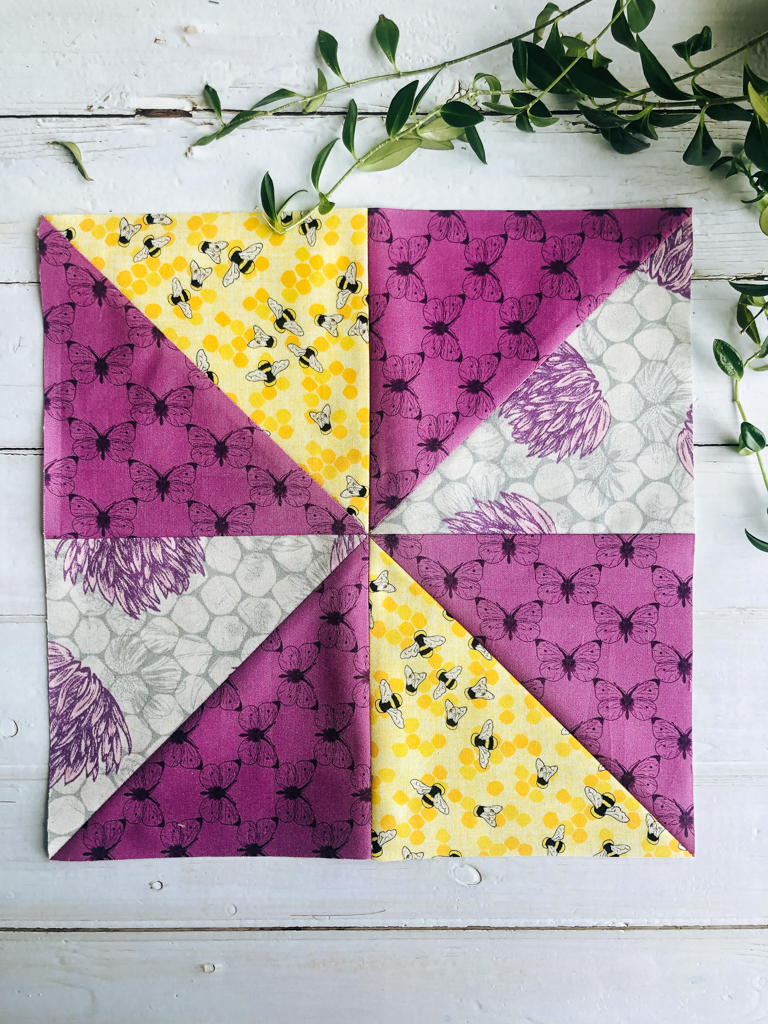
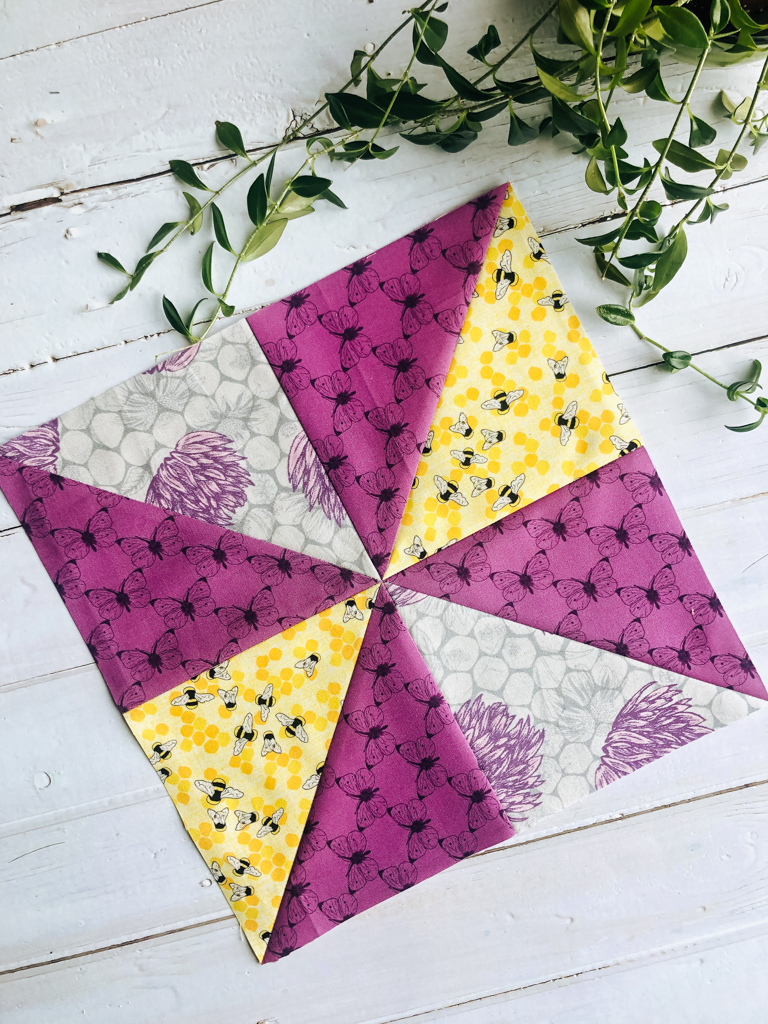
Pinwheel Block Has a Past, Learn More!
History Repeats Itself- Block #2
The History of the Pinwheel Quilt Block: A Symbol of Motion and Tradition
The Pinwheel quilt block is a timeless design in the quilting world, loved for its bold sense of movement and striking visual energy. But where did this iconic block come from—and why has it remained a favorite for generations? Let’s explore the history and symbolism behind the Pinwheel quilt block, and uncover why it continues to inspire quilters today.
A Step Back in Time: The Origins of the Pinwheel Block
The Pinwheel quilt block is a classic design that has been stitched into American quilting traditions for generations. While the exact origin is difficult to pinpoint, many quilt historians believe it began during the westward expansion in the mid-1800s — when pioneers traveled across the plains on routes like the Oregon Trail.
As settlers journeyed west, they would have seen windmills and water pumps dotting the landscape, essential for survival on the frontier. The spinning, whirling shape of these windmills is believed to have inspired the Pinwheel block — a design that symbolizes movement, progress, and the constant forward motion of the pioneer journey.
A Symbol of Hope and New Beginnings
When settlers reached the West and began building new lives, the Pinwheel design became popular among quilters. Its dynamic, swirling pattern mirrored the optimism of a fresh start, reflecting transformation and the promise of a new home.
Symbolism: Motion, Growth, and Renewal
The Pinwheel’s spinning shape evokes the image of a toy pinwheel — a simple object that spins in the wind. This motion represents not only the wind itself, but also the cyclical nature of life, growth, and change. Because of this, the Pinwheel block often symbolizes hope, vitality, and transformation.
Whether used as a single bold block or repeated in a larger quilt, the Pinwheel brings energy and direction to any design.
The Great Depression: Quilting Through Hard Times
During the Great Depression, the Pinwheel block became especially popular. Fabric was scarce, and families often used what they could find — including cotton feed sacks from flour, sugar, and other staples.
These sacks, while utilitarian, were often brightly printed, and quilters turned them into beautiful quilts. Pinwheel patterns made from these scraps became a symbol of resilience, creativity, and the ability to find beauty even in difficult times.
The Pinwheel Block Today: A Quilting Staple
Fast-forward to today, and the Pinwheel block is as popular as ever. Its clean lines and endless variations make it perfect for modern quilting — from bold, graphic designs to soft, traditional quilts.
The Pinwheel proves that a simple block can stand the test of time, remaining both timeless and adaptable.
Conclusion: A Quilt Block With History and Heart
From its roots in the 1800s to its continued popularity today, the Pinwheel quilt block is more than just a pattern — it’s a piece of quilting history. When you sew a Pinwheel block, you’re stitching together not only fabric, but a story of movement, growth, and hope.
Want to sew the Pinwheel block with us?
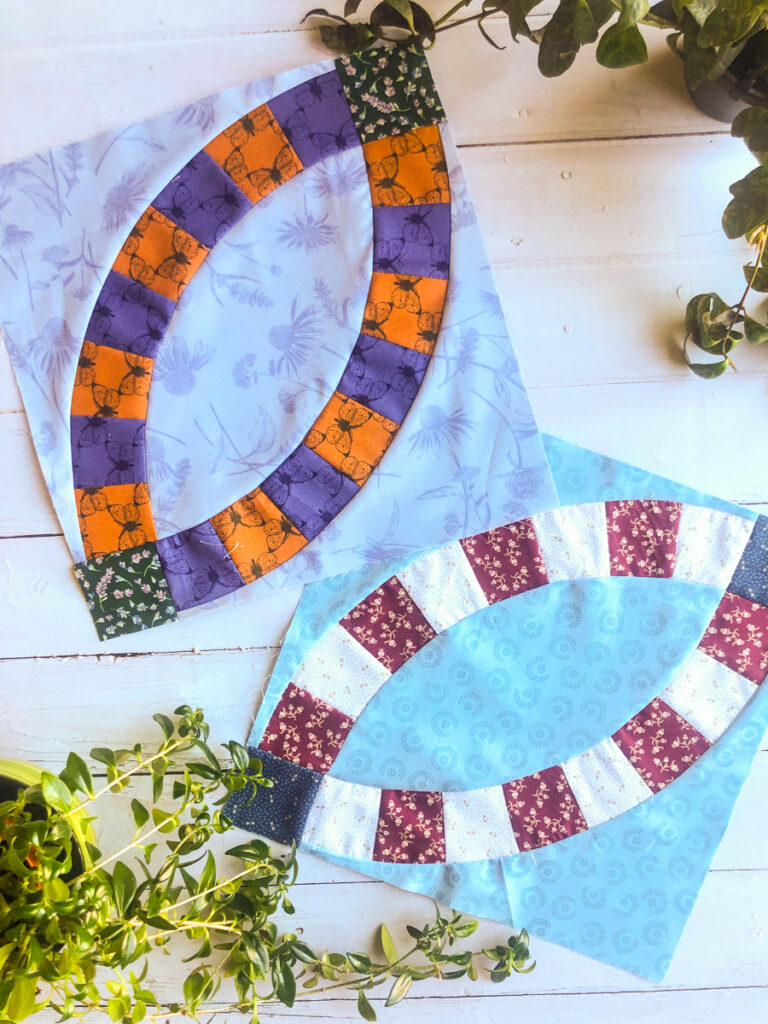
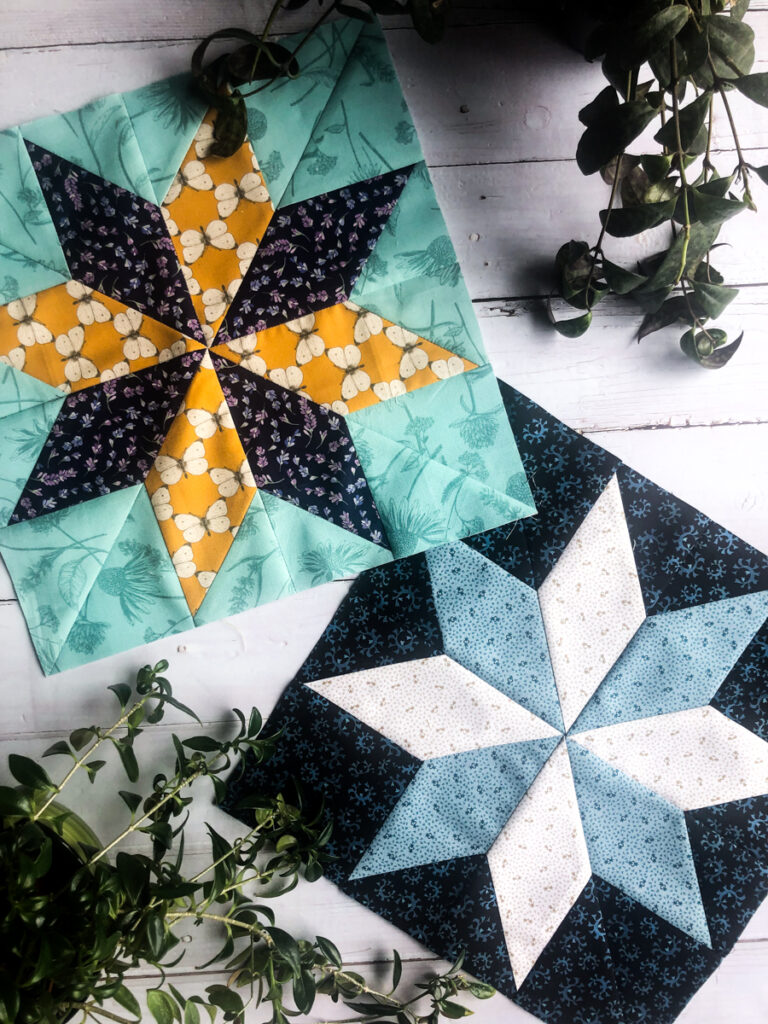
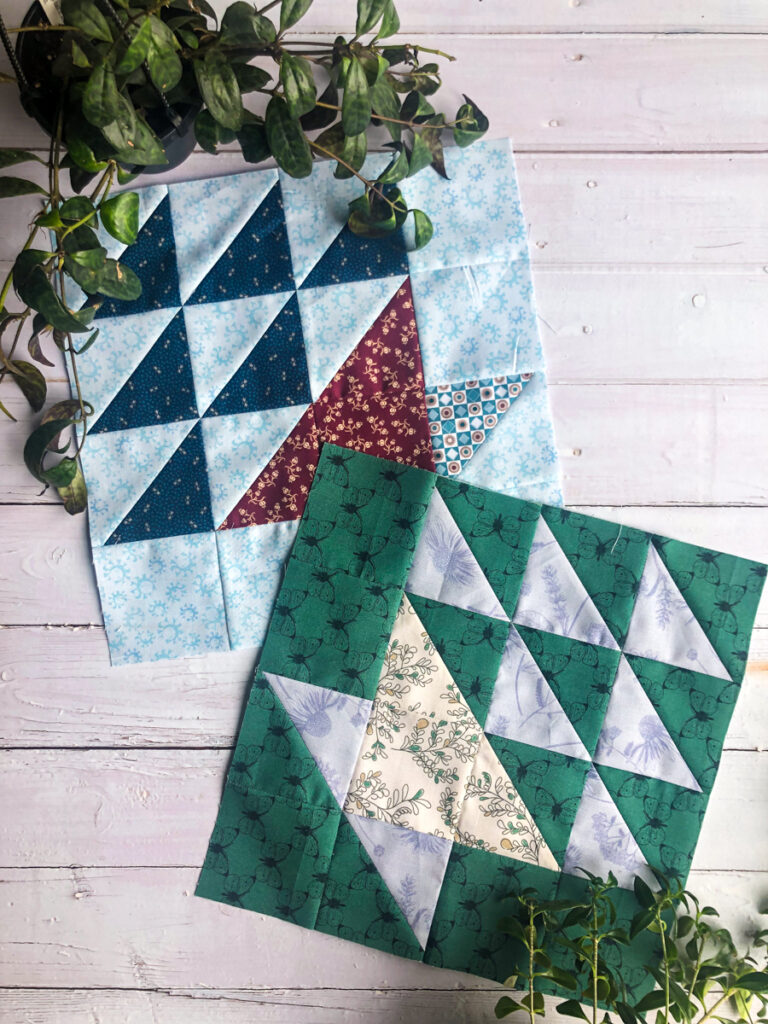
Block #2 is now available in the History Repeats Itself quilt-along.
Join anytime — it’s free, and all are welcome.