Ultimate Guide to the Classic, Sawtooth Star Quilt Block
Sawtooth Star Quilt Block History
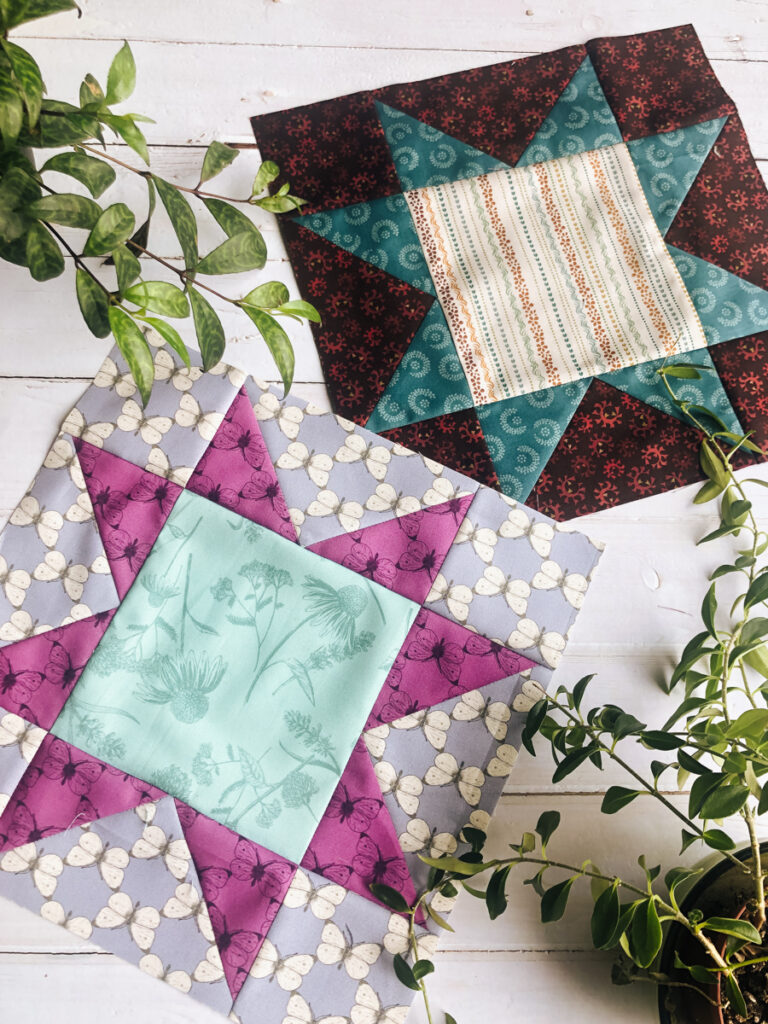
The Sawtooth Star is one of the most recognizable and beloved quilt blocks in traditional American quilting. With its bold star shape and jagged points, the block has been stitched into quilts for generations and continues to be a favorite among modern quilters.
Origins in the 1800s — and Possibly Earlier
The Sawtooth Star dates back to the 1800s, though like many traditional quilt blocks, the design likely existed long before it was formally documented. Early quilt patterns were rarely written down. Instead, women shared designs through quilting bees, letters, and family traditions. As quilts and patterns traveled across regions, they were often renamed or slightly altered.
Because of this, the Sawtooth Star became known by several different names, including Evening Star and Variable Star. It was common for quilt blocks to develop multiple names depending on the region or the quilter sharing the pattern.
One of the earliest printed references to the block appeared in 1884 in the rural magazine Farm and Fireside. By this time, the Sawtooth Star had already been used in quilts for decades, especially in the mid-19th century, which aligns with the era of American pioneer expansion. Quilts featuring this block have been documented from 1840–1860, suggesting that the pattern was already well established among quilters before it appeared in print.
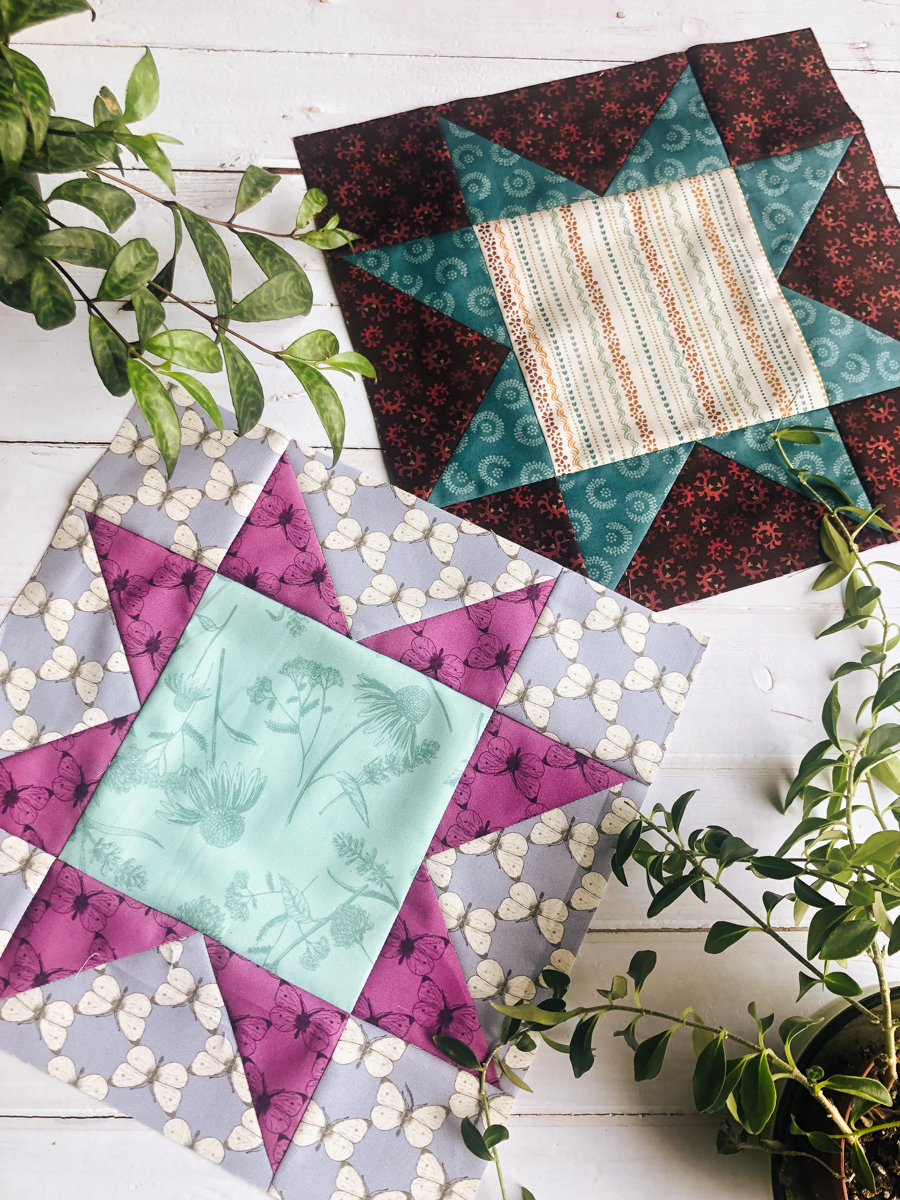
Although the name became common in the 19th century, the design itself likely dates back even further. The geometric structure of the Sawtooth Star—a center square surrounded by pointed triangles—comes from very basic patchwork shapes. Triangles, squares, and star motifs appeared in European patchwork, folk art, and early American quilts from the late 1700s. Like many quilt blocks, the pattern probably existed informally for years before it was given a specific name.
Popularity During the Pioneer Era
The Sawtooth Star became especially common in quilts made during the mid-19th century, a time when many families were moving west across the United States. Quilts were essential household items, providing warmth, comfort, and a creative outlet in frontier communities.
Because the block uses simple geometric pieces—squares and triangles—it could be constructed from scraps of fabric, making it practical for everyday quilters. Its bold star design also made it visually striking, which helped it become a favorite in many quilt patterns of the time.
This widespread use during the 1800s is one reason the Sawtooth Star is often associated with pioneer quilts and early American homesteads.
A Symbol of Pioneer Life
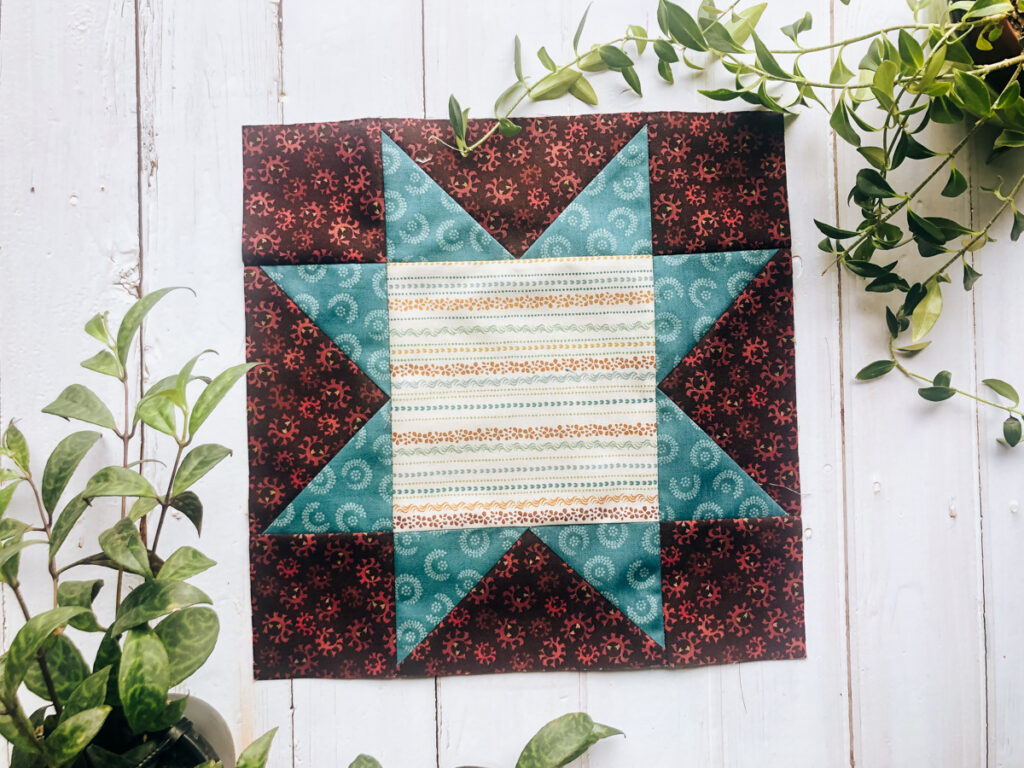
The Sawtooth Star’s distinctive points give the block its name. The sharp triangular edges resemble the teeth of a saw blade, creating the striking star shape that defines the design.
For many quilters in the 19th century, star patterns carried symbolic meaning. The jagged points of the Sawtooth Star have often been interpreted as representing the challenges and perseverance of pioneer life, while the bright star itself symbolized hope and guidance during uncertain times.
While these meanings are commonly associated with the block today, historians note that much of this symbolism developed later as people reflected on the role quilts played in early American life.
Discover Historic Quilts with Quilt Index
I recently stumbled upon an incredible resource: the Quilt Index. Over the past few weeks, I’ve spent so much time exploring their archives, reading quilt stories, and drawing inspiration from quilts of the past. It’s amazing to see the artistry, creativity, and history preserved in each piece.
Quilt making is more than just craft—it’s an art form, and resources like the Quilt Index help ensure these stories and designs are remembered. The archive includes thousands of quilts from museums and private collections across the United States, complete with photos and detailed information about patterns, fabrics, and makers.
Whether you’re hunting for classic blocks like the Sawtooth Star, researching quilting history, or simply looking for inspiration for your next project, the Quilt Index is a treasure trove worth exploring. You might even discover a historic quilt similar to the ones featured in this month’s History Repeats Itself Quilt Along!
A Lasting Quilting Tradition
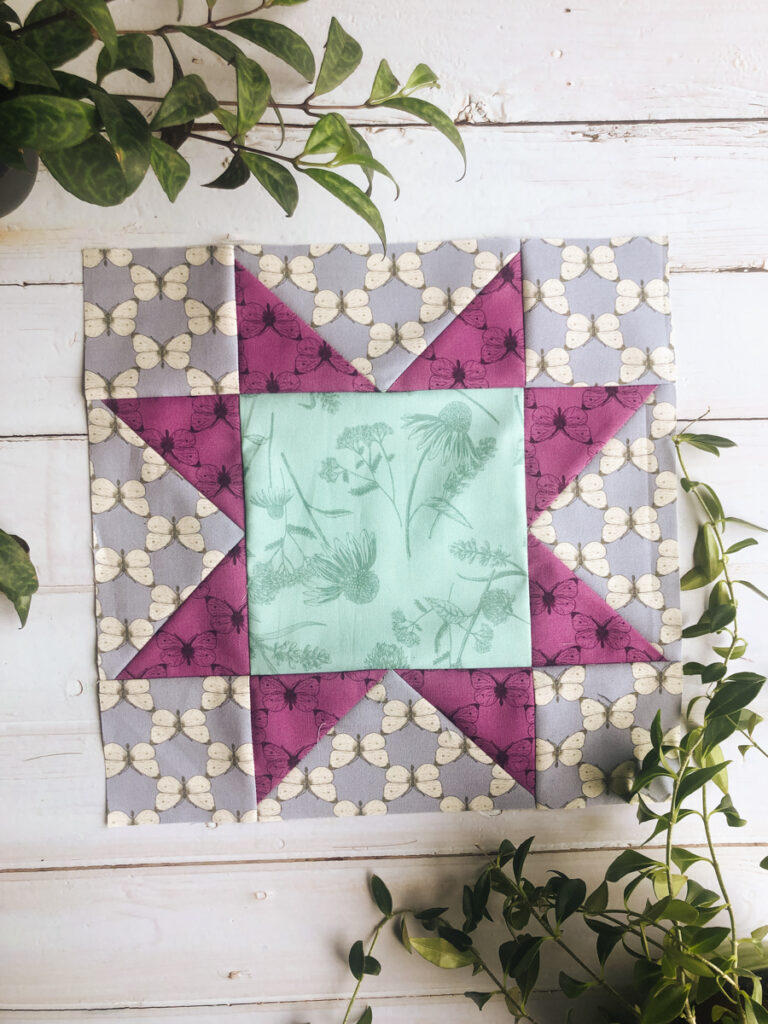
Today, the Sawtooth Star remains a favorite block for quilters of all skill levels. Its bold shape works beautifully with both traditional fabrics and modern prints, and the design easily adapts to many quilt layouts.
The Sawtooth Star quilt block continues to represent craftsmanship, creativity, and the enduring quilting traditions passed down through generations. Each time it appears in a quilt, it connects today’s makers with the long history of quilters who shared patterns, stories, and stitches before them. 🧵✨
Just joining… read up on Block 1: Nine Patch and Block 2: Pinwheel!